
Upholstery vs. Buying New: What’s Better for Your Furniture & Budget?
July 31, 2025Blinds vs. Curtains: Which Is the Better Choice for Your Space?
September 23, 2025August 29, 2025
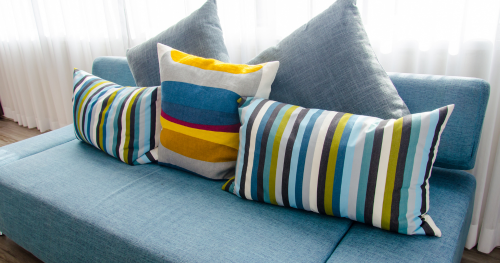
Cushion foam density is a more important factor in comfort and durability than people tend to realize when it comes to furniture. The right density can make your sofa, armchair, or bench feel supportive, last longer, and look inviting. Alternatively, an incorrect density can cause your cushions to feel too soft, uncomfortable, or age prematurely.
At Ashton’s Upholstery & Interiors, we make it convenient for homeowners to freshen up their furniture with the ideal foam replacement. Here is some simple advice to help you select the right density for the cushion foam padding.
What Does Foam Density Mean?
The density of the foam is the weight rating of one cubic foot of foam, expressed in pounds per cubic foot (lbs/ft³). It doesn’t just influence how soft or firm a cushion feels; it also affects how well the foam maintains its shape over time.
- Low-density foam (1.0–1.8 lbs/ft³): Less durable, better suited for decorative or occasional-use furniture.
- Medium-density foam (1.8–2.5 lbs/ft³): A wider variety of options in terms of firmness and durability, suited for many types of regular-use furniture (think chairs and sofas).
- High-density foam (2.5 lbs/ft³ +): Firm, supportive, long-lasting—best for seat cushions in heavy-use furniture or high-traffic areas.
How to Choose the Right Foam Density
1. Consider Furniture Usage
Think: How frequently will this furniture be used?
- Everyday sofas or family chairs: Medium or high-density foam for comfort and support.
- Accent chairs or other occasional furniture: Low-density foam may work.
2. Think About Comfort Preferences
We all have our personal comfort preferences:
- Soft and cozy feel: Consider medium-density foam.
- Firm and supportive feel: A high-density foam is a better fit.
At Ashton’s Upholstery & Interiors, we often recommend layering foams (a firm bottom and a soft top) to achieve the desired feel.
3. Factor in Longevity
If you want your cushions to retain their shape for years to come without sagging, high-density foam is the ideal choice. Its price tag is a little higher, but it doesn’t require frequent replacements.
4. Match Foam to Cushion Style
- Seat cushions: Medium to high density to avoid sagging.
- Back cushions: Polyurethane foam with medium density for comfort and support.
- Benches: High-density foam for longer-lasting use.
Expert Tip: Test Before You Choose
When you can, sit on various foam samples. Something that feels comfortable in the store may not feel so good after a few hours at home. Our team at Ashton’s Upholstery & Interiors is here to help you experiment with styles and get it right.
Final Thoughts
Selecting the right foam density is crucial for crafting comfortable and durable furniture. By considering your preferred seating position, personal style, and cushion preferences, you’ll find your perfect peace.
Here at Ashton’s Upholstery & Interiors, we are experts in cushion foam padding replacement and can advise you on the most suitable density for you. Whether you need a roomy sofa for a growing family or a recliner for quiet mornings, we’ll help you find what suits you with your favourite fabrics, leathers, trim, and legs.